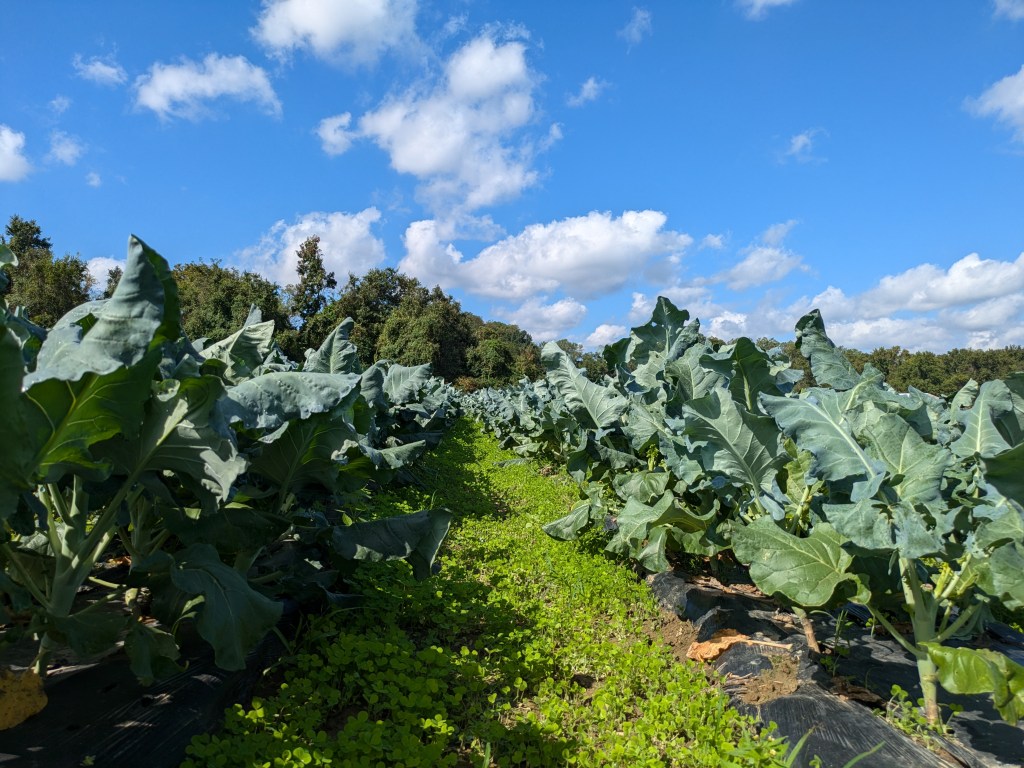

As a global community, we have more information now than ever before about the status of our biosphere and the challenges we face. Of course, we have a variety of staggering challenges to overcome… the climate crisis, biodiversity loss, rising incidence of chronic disease, increasing costs of living, the increasingly insane wealth inequality, a broad variety of injustices…the list goes on and on…
It’s an overwhelming amount of problems. Instead of bombarding readers with a deluge of disheartening statistics… here’s the way I think of things: If we zoom out to a planetary scale, the most pressing issue of our time is arguably the interconnected crisis of climate change, ecological collapse, and social inequity — what some call the ‘polycrisis’.
OK, that still sounds daunting and depressing. My point is that climate instability is altering every system — food, water, health, migration, and economy. Our ecosystem is the foundation for all life. Everything we know and have accomplished as a species relies on the resources and conditions that our natural world provides. We are living in times where biodiversity loss and soil degradation threaten the very basis of life (human and otherwise). It’s the #1 priority for us to solve the climate crisis above any other issue on this planet.
Enter: Regenerative Agriculture. Regenerative agriculture offers a hopeful path forward. Regenerative agriculture can help address a number of problems that our global community faces simultaneously. It can restore biodiversity in soil, it can produce more nutrient dense foods, it can create carbon sinks, it can address issues of food security, it can address issues related to chronic disease, public health, and planetary health.
So what exactly is regenerative agriculture? At its core, regenerative agriculture is more than just a set of farming practices. It’s a philosophy rooted in restoring ecosystems, rebuilding soil health, and strengthening the resilience of our food systems. Instead of extracting from the land until it’s barren, regenerative approaches give back—cycling nutrients, increasing biodiversity, and working in harmony with natural systems.
Why does this matter now? Because the questions our generation faces—how do we feed ourselves sustainably, how do we cool the planet, how do we support farmers and rural communities—cannot be answered with business as usual. Industrial agriculture, while productive, has come at a massive cost: depleted soils, polluted waterways, and greenhouse gas emissions that drive climate instability.
Regenerative agriculture offers a different answer. By practices like cover cropping, agroforestry, rotational grazing, and composting, farmers can not only produce food but also draw carbon into the soil, improve water retention, and create habitats for pollinators and wildlife. In doing so, they transform farms into climate solutions rather than climate problems.
But regenerative agriculture is not only about farmers—it’s about all of us. Every time we choose to support regenerative producers, advocate for food policies that value soil health, or plant something in our own backyards, we’re participating in a larger movement toward regeneration. I’ll include more on what individual actions you can take in an additional post. For now, what’s important to know is that regnerative agriculture is the way to move forward.
Our generation has inherited daunting questions. But regenerative agriculture suggests that the answers may not come from inventing something new, but from remembering and re-centering practices that respect the wisdom of the very soil beneath our feet.
 earthling.blog
Leave a comment