
In our very first update on Santosha, we have a lot of ground to cover.
This July, we accomplished quite a bit with Santosha. We decided to build and prepare four raised garden beds on the property. The soil is very sandy and is in dire need of increased nutrition and water retention in order to grow crops, so, we supplemented each of the beds with a mixture of store-bought manure and compost from a local landscaping business in the area. In choosing each of the plants for the beds, we also prioritized nitrogen fixers and cover crops.
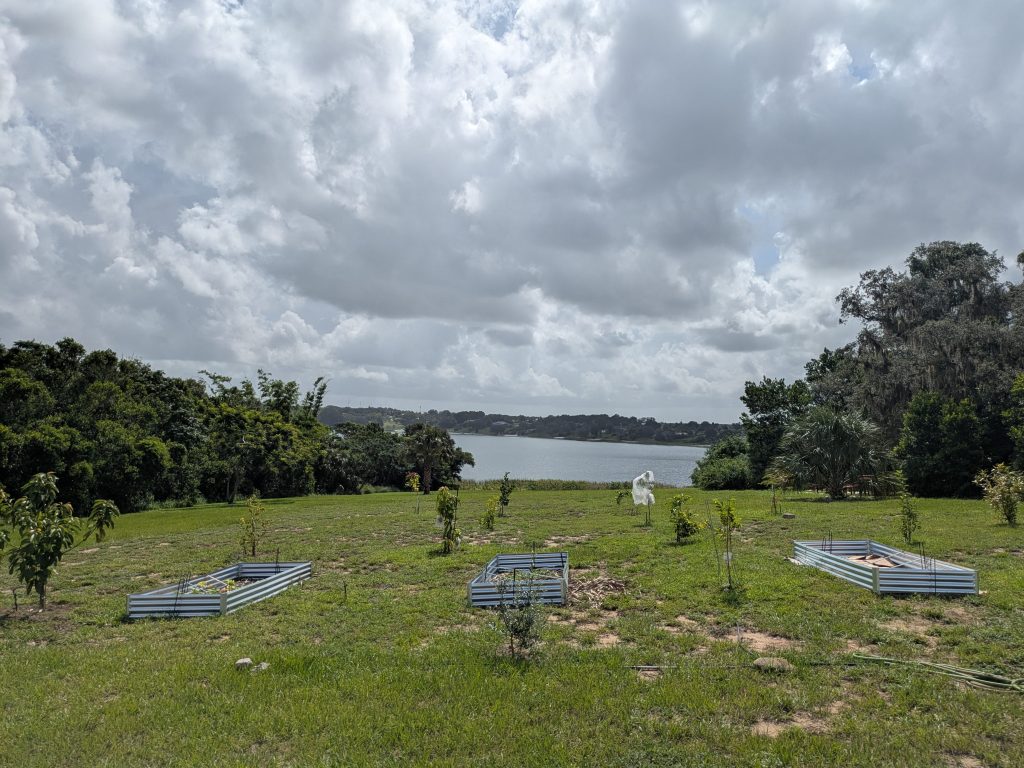
Bed #1: Cow Peas & Dutch White Clover
Cowpeas (Vigna unguiculata) protect soil from erosion, smother weeds, make an excellent nitrogen (N) source ahead of fall-planted crops, and attract many beneficial insects that prey on pests. In addition to these benefits, cowpeas flaunt excellent drought resistance combined with good tolerance of heat. For these reasons, we chose to plant these on the west side of Bed #1. Read more on cowpeas.
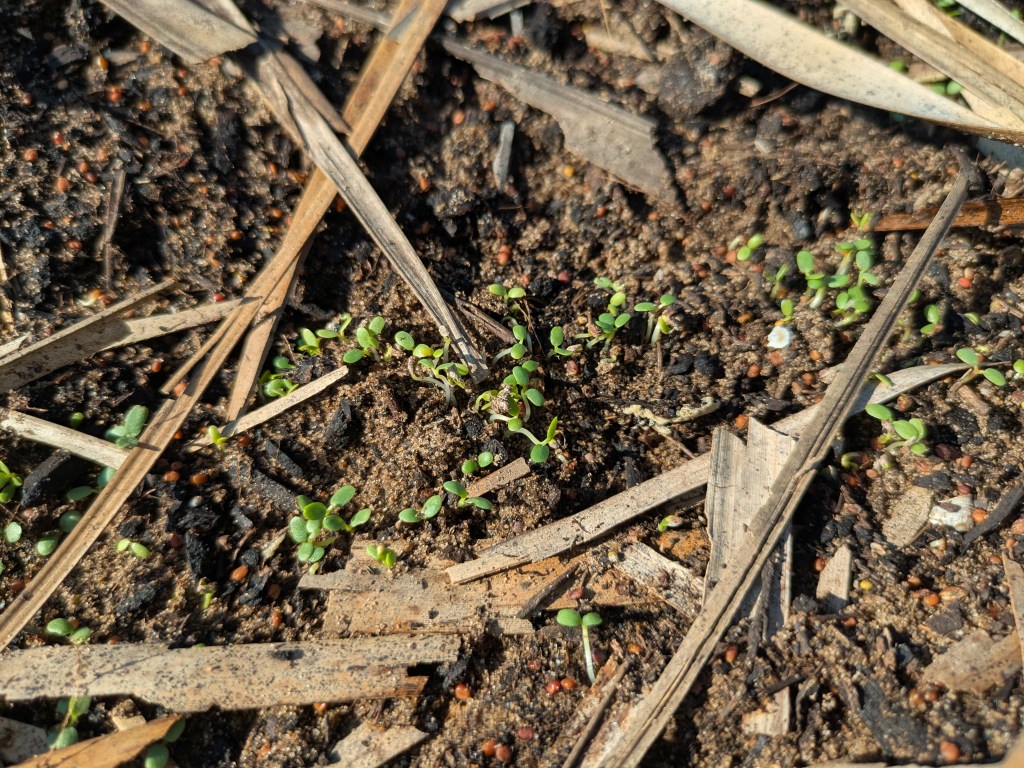
Dutch White Clover is another cover crop that we wanted to try planting, as it boasts a lot of the benefits as cowpeas does: they are persistent, perennial nitrogen (N) producers with tough stems and a dense shallow root mass that protects soil from erosion and suppresses weeds. We planted this on the east side of Bed #1. Read more on white clover.
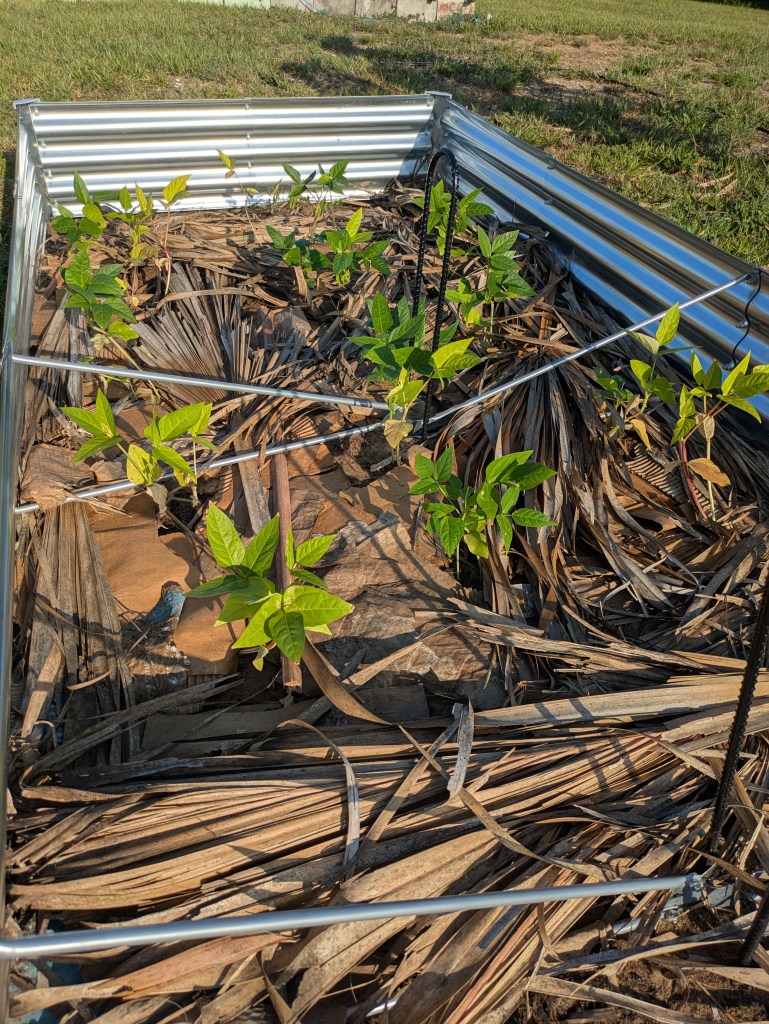
Both plants are considered to be cover crops. Cover crops slow erosion, improve soil, smother weeds, enhance nutrient and moisture availability, help control many pests. As mentioned before, the (very) sandy soil on Santosha is definitely in need of increased nutrition as well as moisture retention, making cover crops a suitable first choice.
In just a couple of weeks, we witnessed the cowpeas grow, while the white clover did not thrive as we hoped. While we saw some germination (see photo above), the clover did not last beyond that stage. Our working theory is that the clover did not tolerate the direct, harsh sun so well.
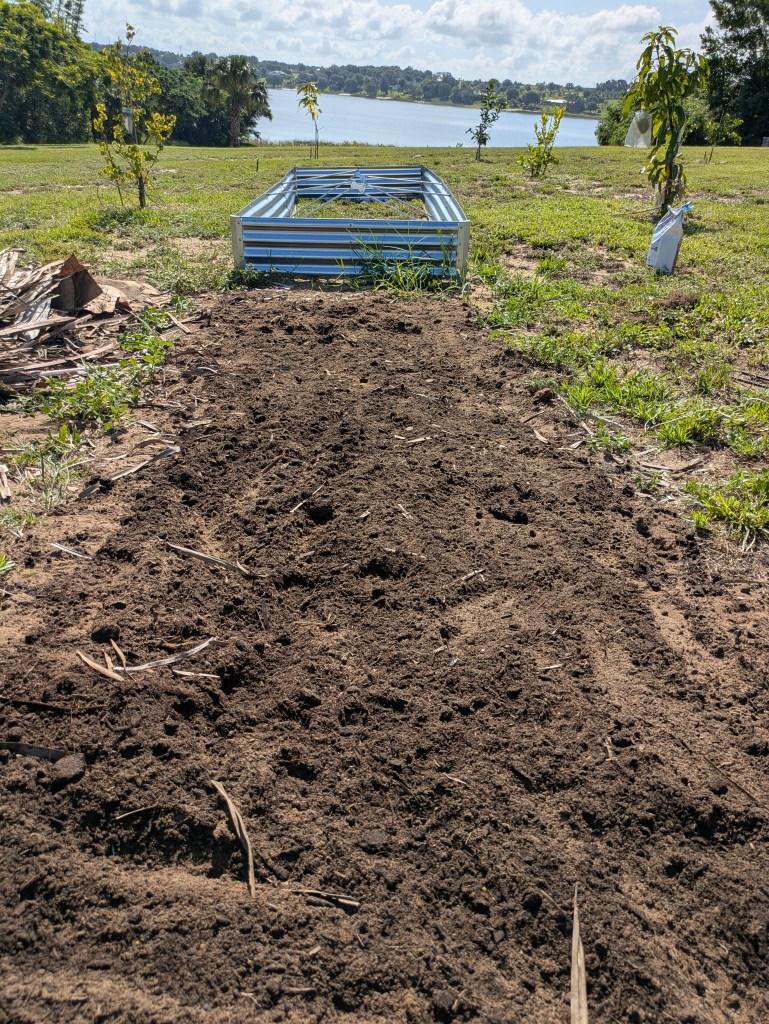
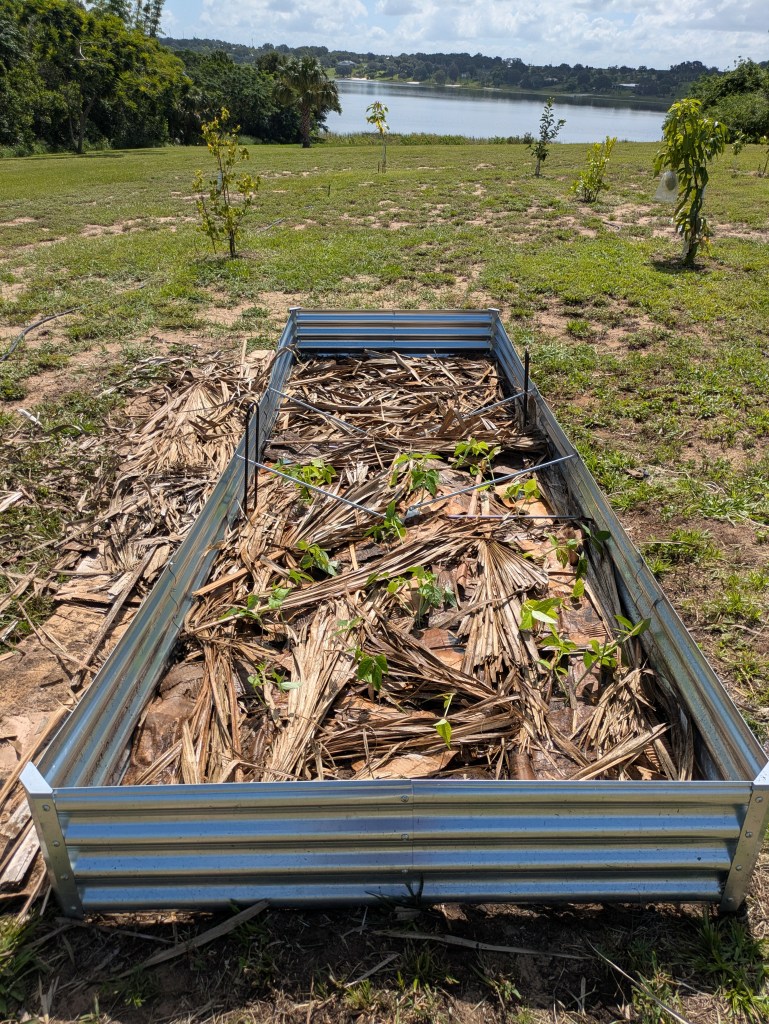
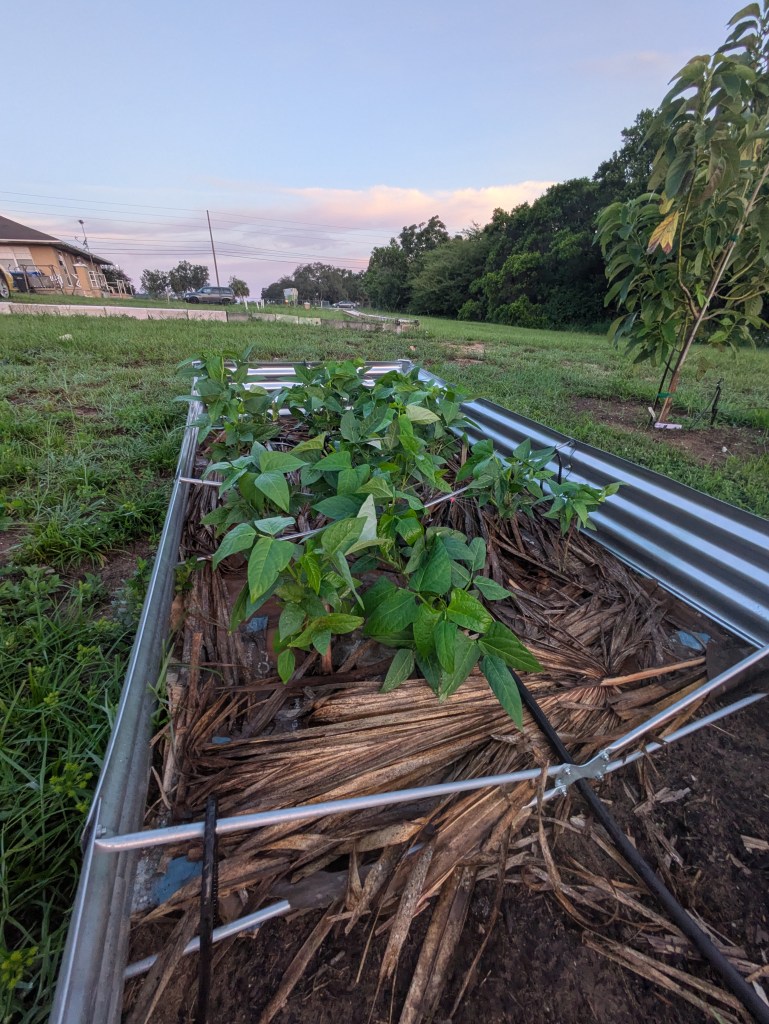
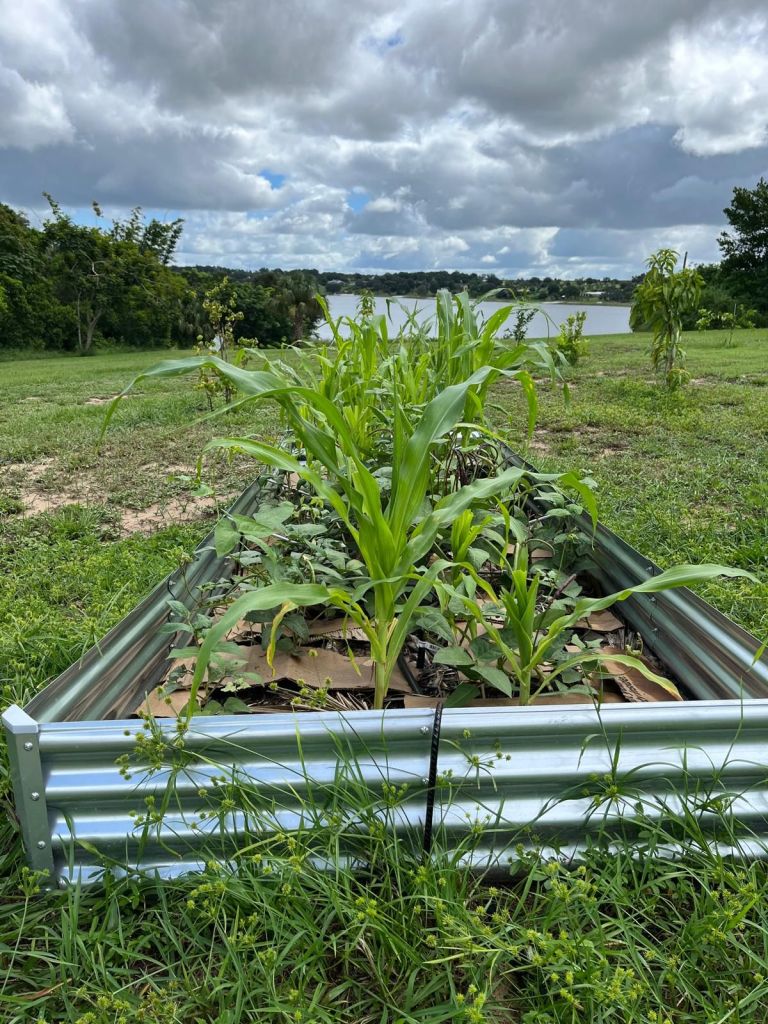
After the cowpeas established themselves, we interplanted sweet corn alongside the cowpeas and in the space where the clover was previously. This serves two main purposes: the sweet corn stalks will provide a natural trellis for the cowpeas vines to climb, and the N infused into the soil by the cowpeas will assist the sweet corn’s growth. Companion planting boasts a number of benefits, so we also companion planted in Raised Bed #3, which we cover in an additional post.
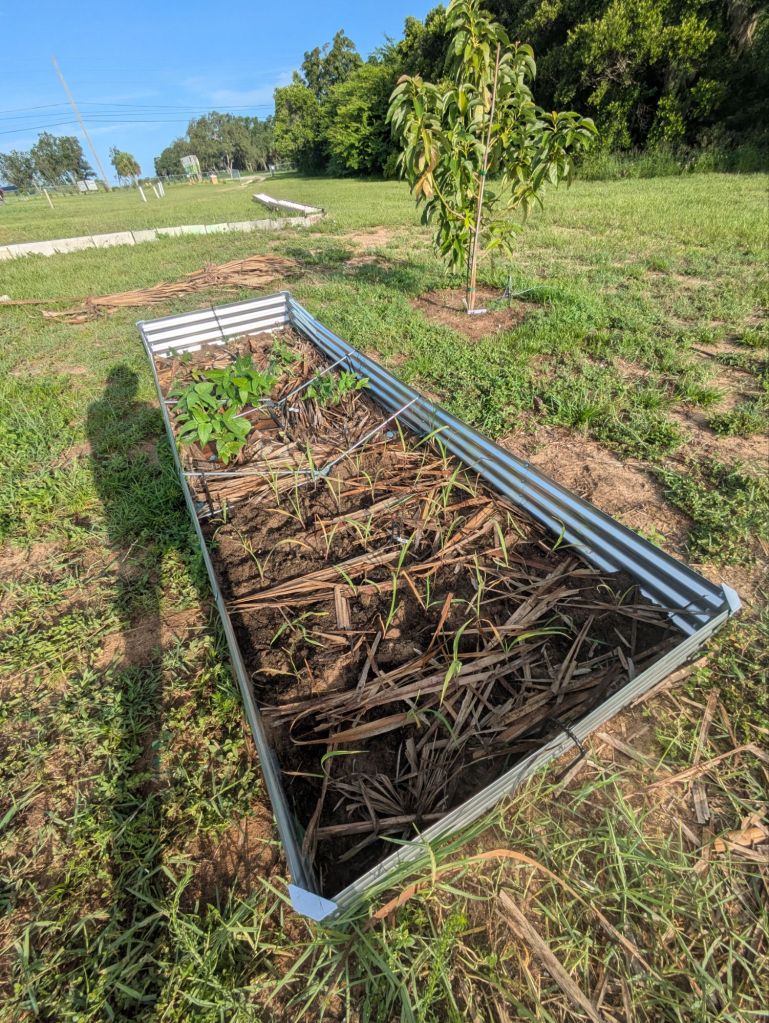
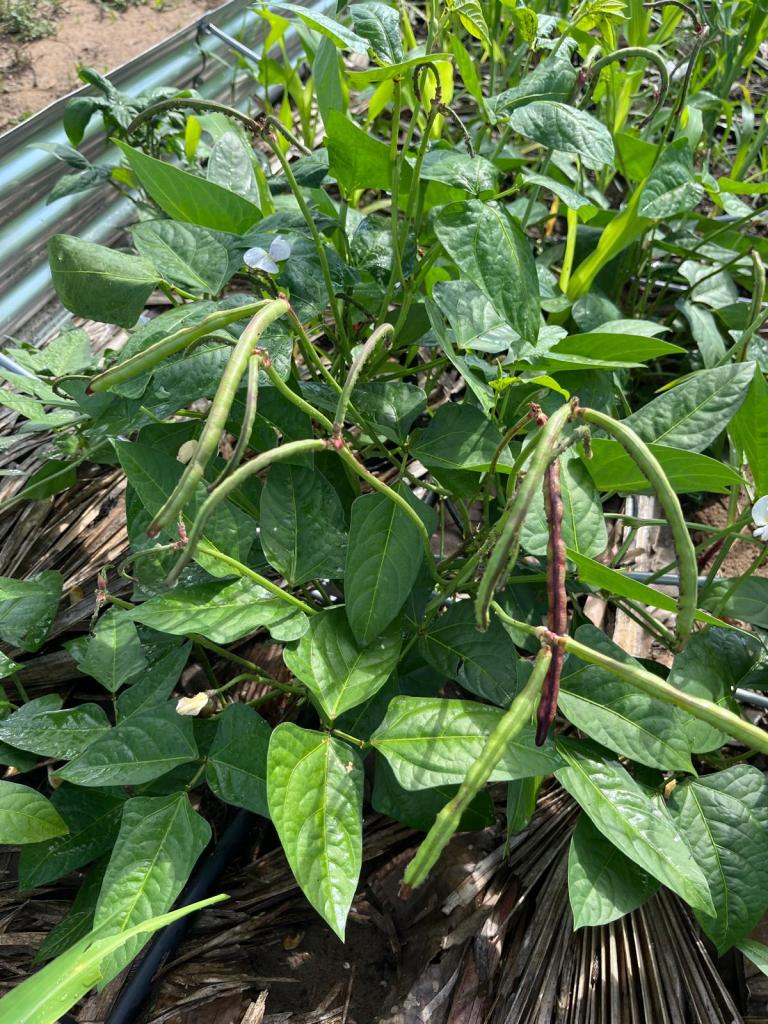
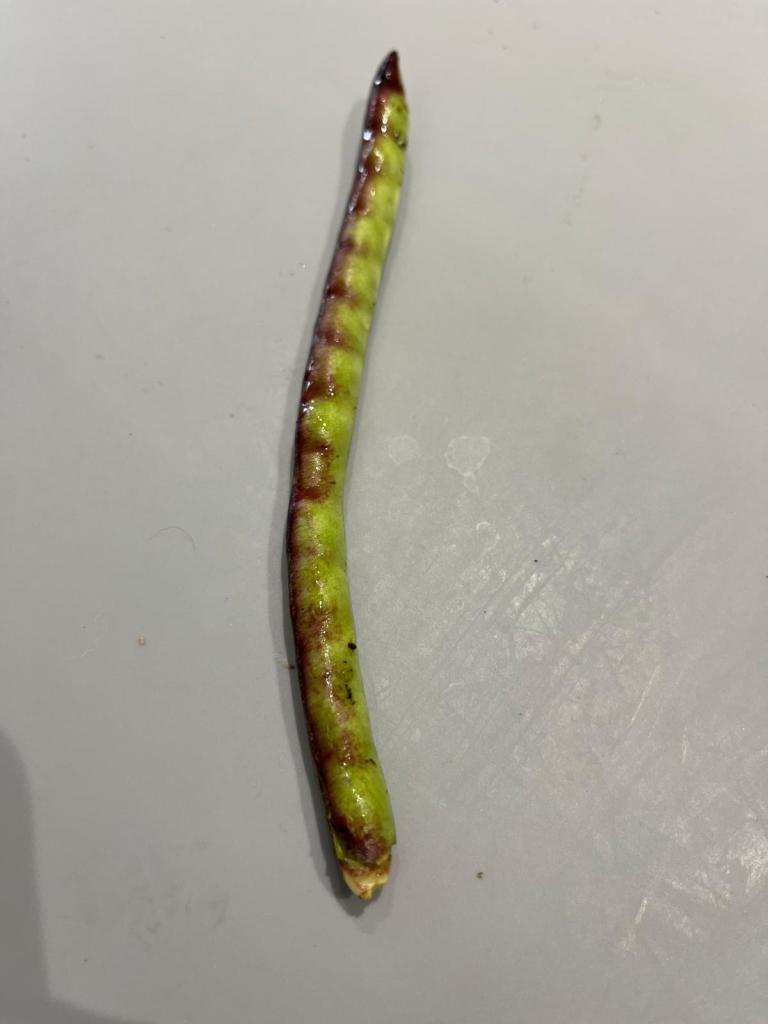
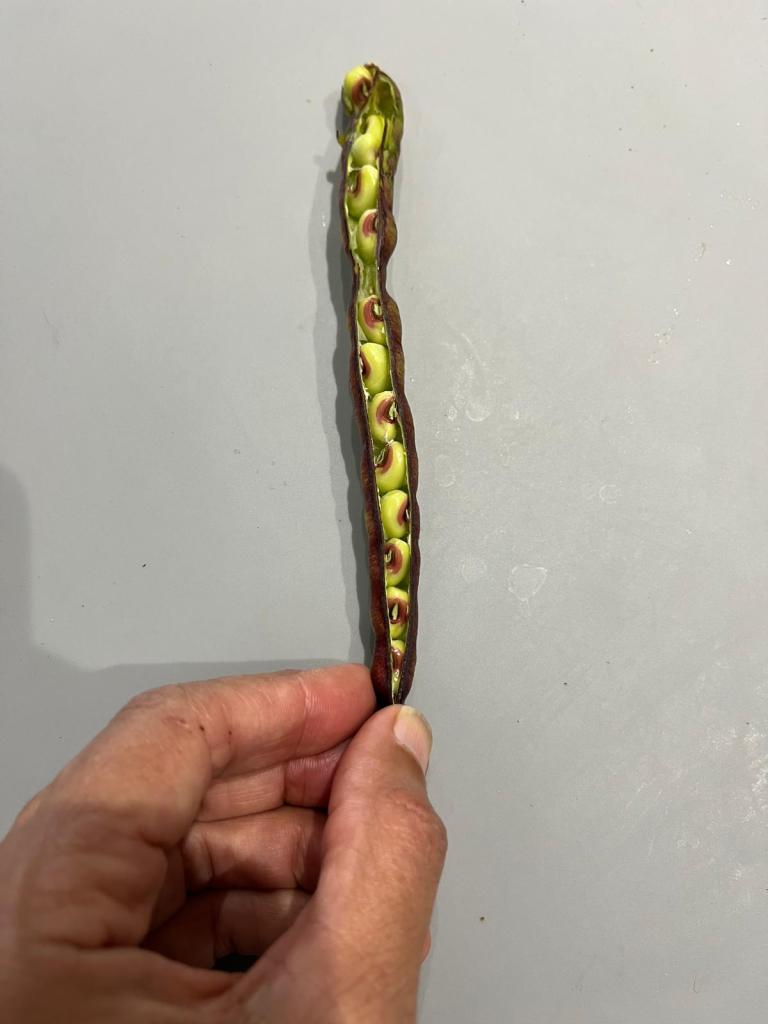
By mid August, the cowpeas were bearing pods. The sweet corn has sprung upward, and we’ve placed the vines from the cowpeas upon the growing stalks.
Raised Bed #1 is already teaching me a lot about patience, resilience, and the quiet rewards of tending to living things. Each little sprout is a reminder that this garden is a long-term relationship with the soil, the seasons, and nature. I’m excited to see how these first experiments grow and to keep sharing the journey here on earthling.blog—one raised bed, one lesson, and one harvest at a time.
 earthling.blog
Leave a comment